Checklist for Risk Assessment in Natural Gas
Checklist for Risk Assessment in Natural Gas
Risk assessment in natural gas operations ensures safety, compliance, and efficiency. Here's what you need to know upfront:
- Key Goals: Protect workers, meet OSHA/EPA regulations, minimize downtime, and document safety protocols.
- Main Steps:
- Identify hazards (e.g., equipment failures, fire risks).
- Evaluate risk impact (safety, environmental, financial).
- Reduce risks with prevention and emergency plans.
- Team Roles: Safety engineers, supervisors, compliance officers, process engineers, and environmental specialists.
- Data to Gather: Incident reports, equipment specs, and compliance documents.
- Checklist Priorities:
- High risks (score 12–15): Immediate action.
- Moderate risks (score 9–11): Scheduled mitigation.
- Low risks (score 5–8): Ongoing monitoring.
Pro Tip: Use tools like OilpriceAPI to integrate real-time natural gas price trends into your risk strategy, balancing safety with financial considerations.
This guide breaks down everything you need to create and maintain an effective risk assessment checklist for natural gas operations.
PHA Process, Hazard Analysis, what is it, how does it work?
Pre-Assessment Steps
Before diving into a risk assessment for natural gas operations, it's crucial to set up a strong foundation. This ensures that risks are identified and managed effectively from the start.
Building the Assessment Team
Start by assembling a skilled and diverse team to conduct a thorough risk evaluation. Here's a breakdown of key roles and their responsibilities:
| Role | Primary Responsibilities | Required Expertise |
|---|---|---|
| Safety Engineer | Identifying hazards and evaluating severity | Deep understanding of natural gas properties and behavior |
| Operations Supervisor | Overseeing daily processes | Hands-on field experience and operational risk knowledge |
| Compliance Officer | Ensuring adherence to regulations | Familiarity with OSHA standards and industry rules |
| Process Engineer | Reviewing technical specifications | Expertise in equipment parameters and potential failure modes |
| Environmental Specialist | Assessing environmental impacts | Knowledge of environmental regulations and impact analysis |
A Risk Assessment Coordinator should lead the team, ensuring smooth collaboration and execution of the assessment process.
Once the team is ready, the next step is gathering all the necessary data.
Required Data Collection
To perform a meaningful assessment, collect the following:
- Historical Records: Include incident reports, near-miss documentation, and maintenance logs from the past 3-5 years.
- Technical Documentation: Gather pipeline system diagrams, equipment specs, engineering drawings, and operating procedures.
- Compliance Documents: Ensure access to current permits and applicable standards.
With the data in hand, it's time to define the scope of the assessment.
Assessment Boundaries
Defining clear boundaries helps maintain focus and ensures that critical risks are addressed thoroughly. Boundaries should include both physical and operational aspects.
Physical Boundaries:
- Facility limits
- Equipment and infrastructure components
- Site maps showing geographic boundaries
- Connection points with external systems
Operational Scope:
- Routine operations
- Startup and shutdown procedures
- Maintenance activities
- Emergency response protocols
Prioritizing Risks
Use a structured vulnerability rating system to rank risks based on their importance. Here's a simple framework:
| Vulnerability Rating | Score Range | Description |
|---|---|---|
| Low | 5 to 8 | Lower priority risks |
| Moderate | 9 to 11 | Medium priority risks |
| High | 12 to 15 | Highest priority risks |
For a more comprehensive perspective, integrate real-time natural gas price trends using tools like OilpriceAPI. This adds a financial context to your operational risk considerations, helping you make better-informed decisions.
Main Checklist Elements
This checklist focuses on key aspects of hazard evaluation, equipment performance, and compliance with regulations to enhance risk management in natural gas extraction.
Hazard Rating System
A well-defined hazard rating system helps identify and rank potential risks. Start by assessing the likelihood of each hazard on a scale from 1 (Unlikely) to 3 (Likely), using historical records and site-specific data. Then, evaluate the potential impact across five categories:
- Danger/Destruction: The chance of physical damage or safety threats
- Economic Impact: The risk of financial losses
- Environmental Impact: The possibility of harming natural resources
- Social Impact: The potential effects on community well-being and safety
- Political Impact: The extent of regulatory oversight needed
Add these ratings together to calculate a total score ranging from 5 to 15. Scores are classified as follows:
- 5–8: Low priority
- 9–11: Moderate priority
- 12–15: High priority
Once hazards are ranked, attention shifts to identifying vulnerabilities in equipment.
Equipment Failure Analysis
This step involves analyzing critical infrastructure components to determine how their failure could affect safety and operations.
Key Systems to Monitor:
- Wellhead components and blowout prevention devices
- Pipeline systems and pressure control mechanisms
- Mud systems, including pumps and tanks
- Generators and electrical setups
Support Systems to Inspect:
- Material handling equipment
- Fire protection systems
- Fuel storage units
- Derrick and substructure components
For each system, document potential failure modes, maintenance history, and inspection points. Historical data, such as information from the European Gas Pipeline Incident Data Group (EGIG), can provide valuable context for understanding failure trends.
After addressing equipment risks, ensure compliance with all regulatory standards and documentation requirements.
Compliance Requirements
OSHA Standards
- Confirm adherence to Process Safety Management (29 CFR 1910.119)
- Verify compliance with Hazard Communication (29 CFR 1910.1200)
- Review Personal Protective Equipment (PPE) protocols
- Ensure confined space entry procedures are in place
EPA Regulations
- Maintain Spill Prevention, Control, and Countermeasure (SPCC) plans
- Verify compliance with the Clean Air Act
- Check Clean Water Act requirements
- Confirm reporting under the Emergency Planning and Community Right-to-Know Act
Documentation Review
- Ensure operating permits are up to date
- Keep safety data sheets readily available
- Maintain accurate training records
- Review emergency response procedures
Incorporate tools like OilpriceAPI to align compliance strategies with real-time cost considerations. This ensures both safety and financial efficiency.
sbb-itb-a92d0a3
Risk Control Methods
Once potential hazards are identified and equipment vulnerabilities are assessed, the next step is to implement effective control measures to maintain safety.
Safety Equipment Standards
Safety equipment serves as the first line of defense in preventing incidents. Regular inspections are critical to ensure these systems are ready to perform when needed. Below is a breakdown of key equipment and their inspection schedules:
| Equipment Type | Primary Function | Inspection Frequency |
|---|---|---|
| Blowout Preventers | Emergency well control | Weekly |
| Gas Detection Systems | Leak identification | Daily |
| Emergency Shutoff Valves | Quick isolation of gas flow | Monthly |
| Fire Suppression Systems | Fire control and prevention | Quarterly |
All safety equipment must comply with OSHA standards while maintaining operational reliability. Regular inspections are essential to ensure these systems function effectively in emergencies.
Monitoring Systems
Modern monitoring systems use integrated sensors to provide real-time oversight of operations. These systems play a critical role in detecting and addressing issues before they escalate. Key components include:
Pressure Monitoring
- Pressure transducers installed at critical points deliver real-time data and trigger automated alerts for any irregularities.
Temperature Control
- Temperature probes track heat levels in equipment and are linked to emergency shutdown systems to prevent overheating.
Flow Rate Analysis
- Flow meters provide precise measurements and are connected to automated valve control systems for immediate adjustments.
"Historical data refines monitoring, emergency response, and maintenance schedules".
By combining accurate data collection with automated responses, monitoring systems enable quick and coordinated actions during emergencies.
Emergency Plans
A well-structured emergency plan is crucial for minimizing risks during incidents. These plans should be easy to follow and include the following elements:
Communication Protocols
- A clearly defined chain of command
- Accessible emergency contact information
- Multiple backup communication systems to ensure reliability
Evacuation Procedures
- Clearly marked assembly points
- Multiple escape routes for flexibility
- Well-lit signage to guide personnel
Training Requirements
- Quarterly emergency drills to ensure preparedness
- Role-specific training tailored to individual responsibilities
- Detailed documentation of all training activities for accountability
Incorporating real-time data from platforms like OilpriceAPI can help optimize safety investments while managing operational costs effectively.
Data Analysis Methods
Building on control measures, analyzing historical data and market trends can help fine-tune risk strategies for better outcomes.
Past Incident Analysis
Reviewing past incidents is essential for spotting risk patterns and preventing future issues. Focus on these key metrics:
| Analysis Component | Key Metrics | Review Frequency |
|---|---|---|
| Equipment Failures | Mean Time Between Failures (MTBF) | Monthly |
| Near-Miss Events | Incident Probability Rating | Quarterly |
| Safety Violations | Severity Classification | Weekly |
| Response Times | Average Resolution Duration | Monthly |
Document each incident thoroughly, using root cause analysis to uncover underlying technical and human factors. This approach not only highlights areas needing improvement but also lays the groundwork for integrating real-time market data alongside historical insights.
Using OilpriceAPI Data
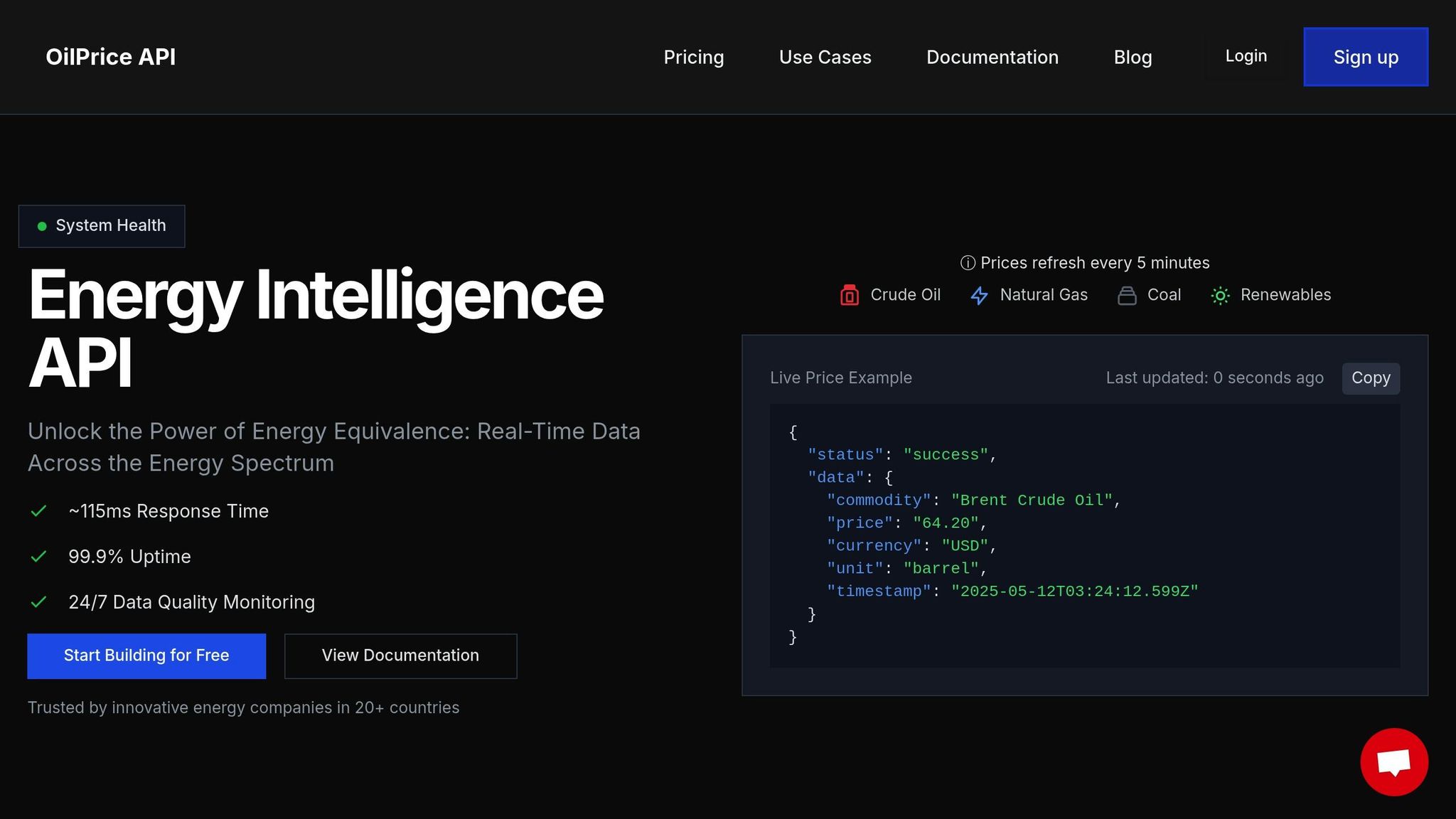
Market fluctuations, especially in natural gas prices, can significantly impact operational risks. OilpriceAPI provides real-time natural gas price updates every 5 minutes, with a fast response time of 115ms and an impressive uptime of 99.9%. This data is invaluable for proactive risk management.
Here’s how you can use it:
Price Threshold Monitoring
- Connect the API to existing safety systems to trigger additional safety measures during periods of heightened market volatility.
- Set up automated alerts for price movements that exceed predefined thresholds.
- Use real-time updates to make swift, informed decisions.
Risk-Based Investment Planning
- Analyze historical price trends to optimize the timing of safety equipment upgrades.
- Conduct cost-benefit analyses for preventive maintenance, aligning resource allocation with current market conditions.
Checklist Updates
Keeping the risk assessment checklist updated is crucial for staying aligned with the latest data and regulations.
Quarterly Reviews
- Incorporate new industry regulations and standards.
- Add insights gained from recent incidents.
- Adjust risk ratings to reflect current market conditions.
Annual Comprehensive Updates
- Conduct a full review of all checklist elements.
- Include requirements for new technologies.
- Validate updated procedures through hands-on field testing.
These updates ensure that your risk evaluation process evolves with both historical data and real-time market changes, maintaining its relevance and effectiveness.
Conclusion
Main Points Summary
A well-structured checklist plays a crucial role in ensuring natural gas safety. It systematically identifies potential hazards - like blow-out prevention, fire protection, and fuel storage - and categorizes risks as low (5–8), moderate (9–11), or high (12–15).
| Risk Component | Assessment Focus | Update Frequency |
|---|---|---|
| High-Risk Items (12–15) | Immediate action required | Monthly review |
| Moderate Risks (9–11) | Scheduled mitigation | Quarterly review |
| Low-Risk Items (5–8) | Monitoring protocols | Annual review |
These insights form the foundation for taking meaningful steps toward effective risk management.
Risk Management Next Steps
Here’s how to move forward:
-
Immediate Action
- Tackle high-risk situations by implementing rigorous inspection protocols for fire protection and blow-out prevention systems.
-
Data-Driven Monitoring
- Use digital tools to track leading and lagging safety indicators.
- Incorporate real-time market data from tools like OilpriceAPI to optimize safety budgets and resource allocation.
-
Continuous Improvement
- Regularly update checklists to stay aligned with evolving industry standards.
- Focus on targeted reviews of areas identified as high-risk.
FAQs
How does using real-time natural gas price data improve risk assessments and decision-making?
Keeping real-time natural gas price data at the core of your risk assessment strategy can greatly improve both safety measures and financial planning. Staying informed about market trends allows you to predict potential risks more effectively, adjust operations ahead of time, and make decisions grounded in current realities.
Having accurate, up-to-date pricing information also helps you handle market fluctuations with confidence. This means you can refine your strategies to adapt to changing conditions, allocate resources more wisely, and minimize risks more efficiently.
What are the main roles and responsibilities in a natural gas risk assessment team, and why are they essential?
In a natural gas risk assessment team, every role contributes to maintaining safety and smooth operations. Here’s a breakdown of the key players:
- Risk Assessment Leader: This person takes charge of the entire process, ensuring risks are systematically identified and addressed. They also make sure everything aligns with safety regulations and industry standards.
- Safety Specialist: Their focus is on spotting potential hazards and implementing measures to protect both workers and the environment.
- Data Analyst: By diving into operational data - both real-time and historical - they assess risks and anticipate potential problems.
- Operations Expert: With hands-on knowledge of daily processes, they pinpoint practical risks and help create realistic strategies to address them.
Together, these roles bring a mix of safety expertise, data insights, and operational know-how to build a thorough risk assessment plan. This teamwork is what helps minimize risks and maintain a secure work environment.
What is a hazard rating system, and how can it help prioritize risks in natural gas operations?
A hazard rating system provides a structured way to assess and rank risks based on their severity, likelihood, and potential consequences. In the context of natural gas operations, this system is crucial for pinpointing which risks demand immediate action and which can be addressed over time.
Risks are generally classified into categories such as low, moderate, high, or critical, with each level requiring specific responses:
- Low Risk: Keep an eye on the situation and put basic safety measures in place.
- Moderate Risk: Create a mitigation plan and tackle the issue without delay.
- High Risk: Act immediately to reduce the hazard and prevent escalation.
- Critical Risk: If necessary, suspend operations and address the issue as the highest priority.
This system allows operators to allocate resources where they’re needed most, uphold safety standards, and meet regulatory requirements. It’s a practical and systematic way to reduce risks and ensure the smooth and safe operation of natural gas extraction activities.